4月 5th, 2011
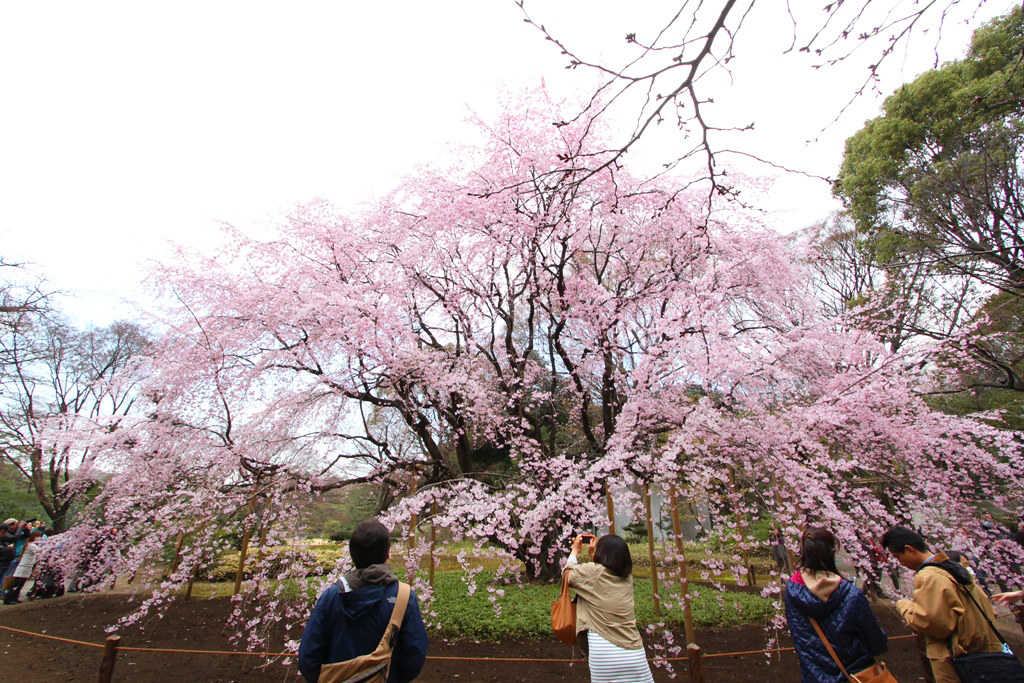
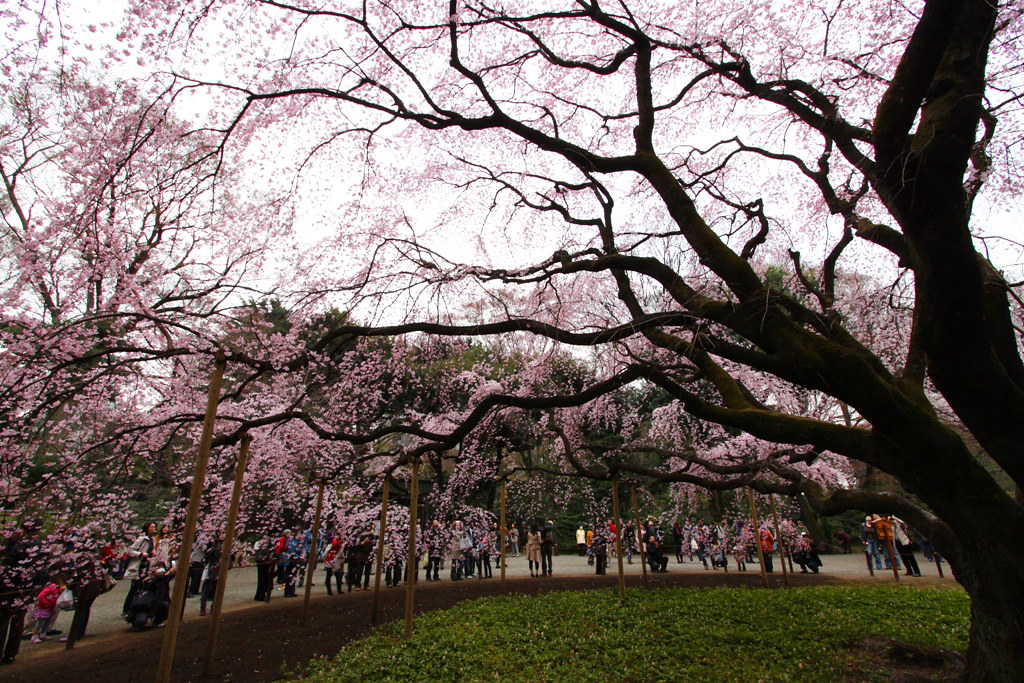
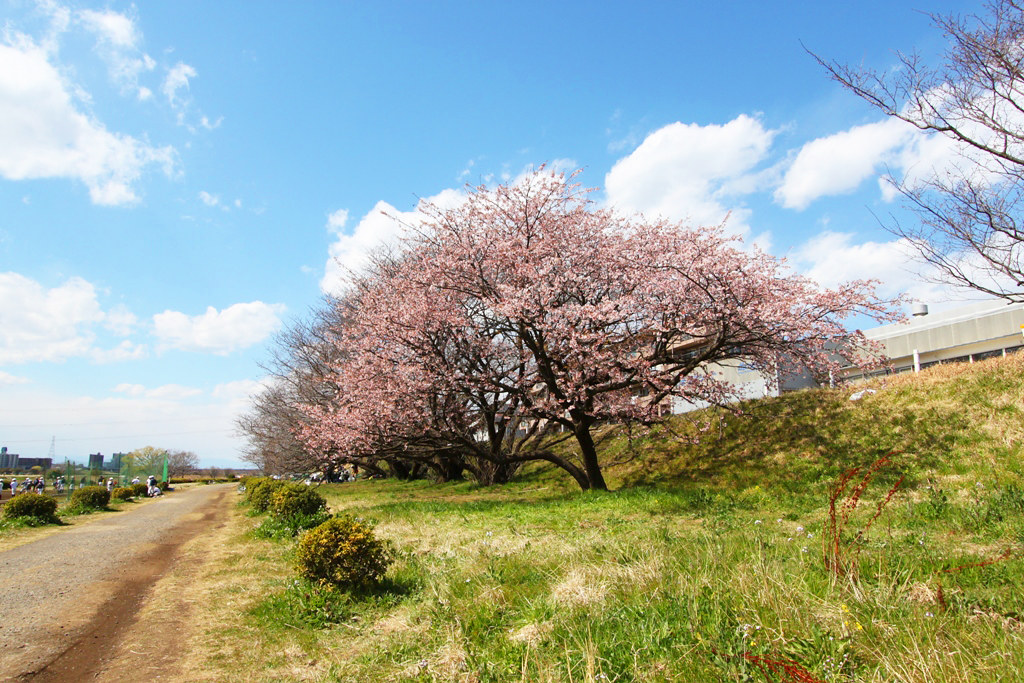
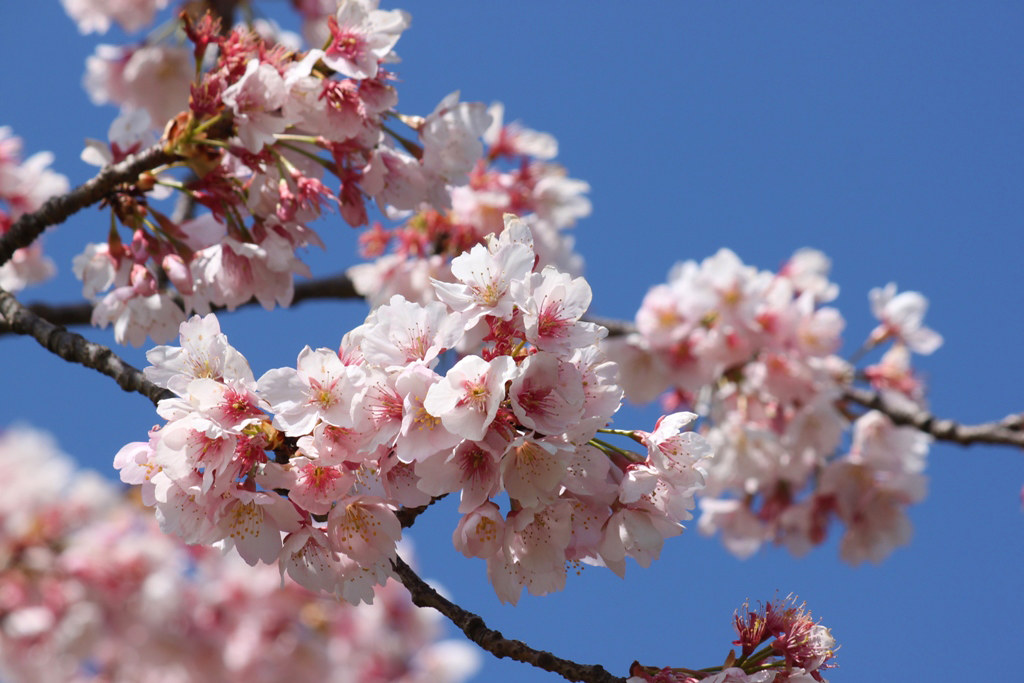
Sakura Photo 2011:Rikugien
Reading time: About 1 minute
Sakura Photo 2011:Rikugien


Reading time: About 4 minutes
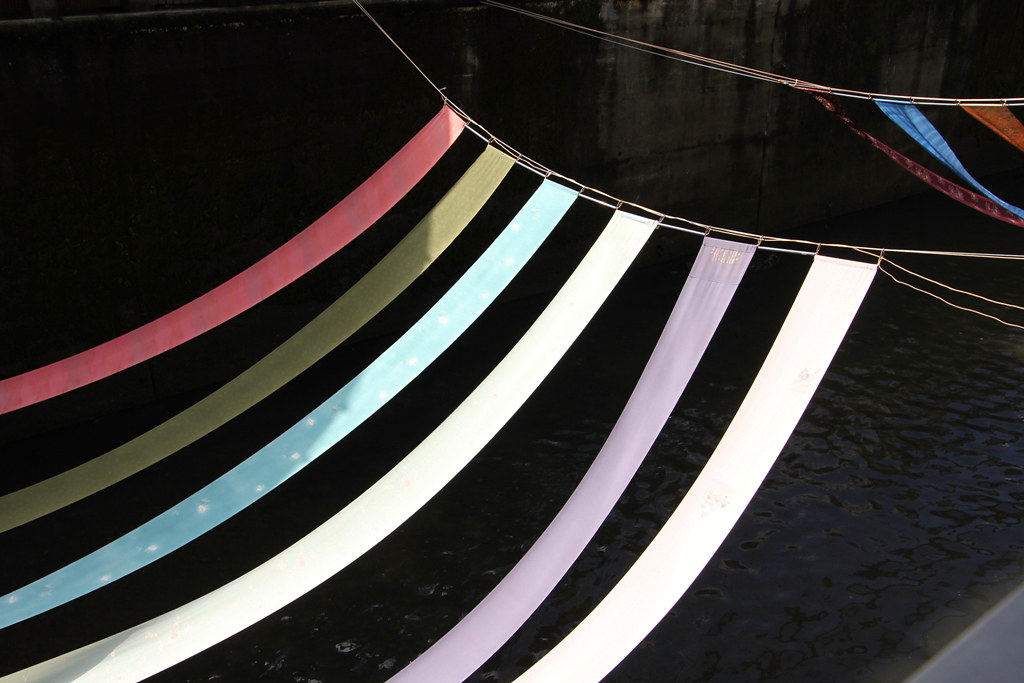
Some no Komichi (Sinjuku-ku Nakai)“Some no Komichi “ is an event aimed to share the culture of dyeing. It is held around Kanda River and Myoshoji River, known as the home of Edo dyeing. This year is the third time being held since 2009. It was from February 18th (Fri) to 20th (Sun).
About 4,400 people visited over the three days.
The main works are Edo komon, yuzen pattern, sarasa (calico), yukata fabric, towel, kimono, scarf, necktie, and bag. You can actually try dyeing too.
The style of dyeing is called Edo Yuzen, which is one of the three great yuzen in Japan (Edo Yuzen, Kaga Yuzen, and Kyo Yuzen).
*History
Here at Shinguku ward, Tokyo, dyeing has been the local industry including Tokyo Tegaki Yuzen and Edo Komon, and these traditional works are spread not only within Japan but to the world as well.
The beginning of dyeing industry in Shinjuku dates back to Taisho period.
Dyeing artisans who used the water from Sumida River sought cleaner water and rich underground water and moved to Shinjuku ward along Kanda River and Myoshoji River.
Reading time: About 1 minute
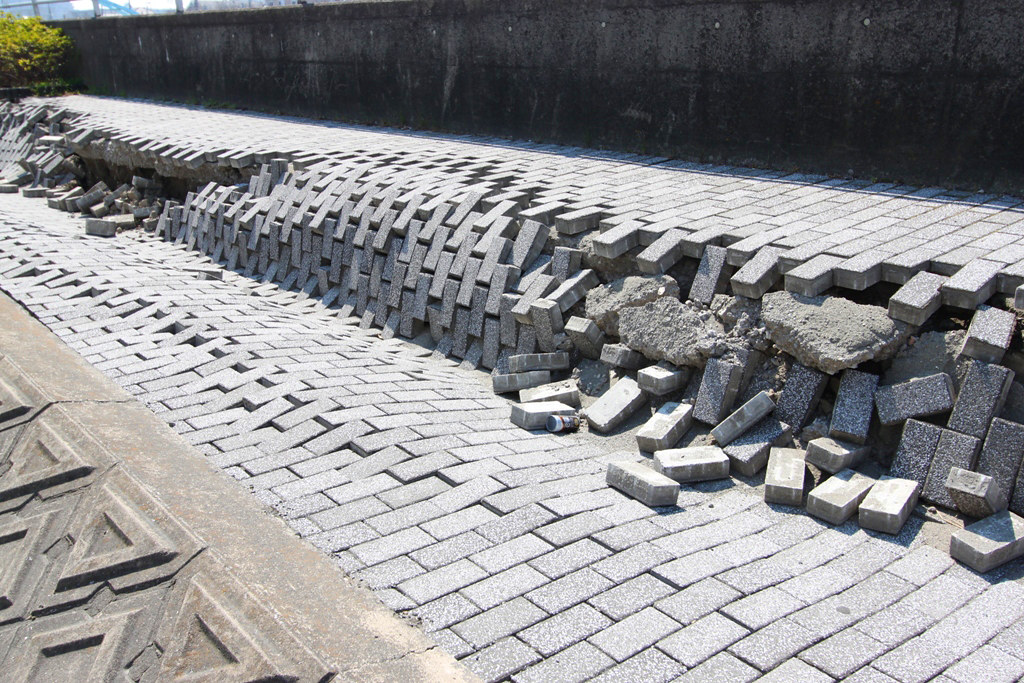
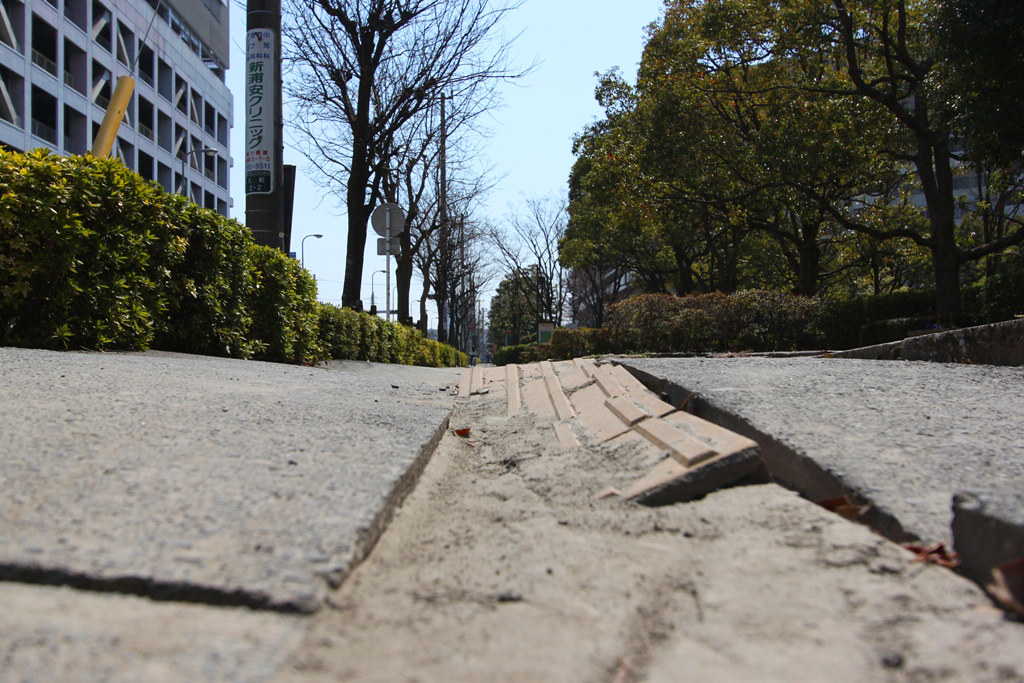
19 days from the earthquake in UrayasuI went to Urayasu to see how it is after 19 days from the earthquake.
Urayasu is 30 min from Tokyo Station in Chiba prefecture. Urayasu is very well known as a prefecture where Tokyo Disney Land is located. Urayasu is a city that used to be under sea but reclaimed with ground. Therefore, Urayasu is very famous for its organized residences, bigger roads, and many beautiful parks.
However, because it was a place with reclaimed ground, the phenomenon of liquefaction had occurred. The road had changed it form and houses had tilted.
Reading time: About 4 minutes
Ise Jingu – The Holy PlaceIse Jingu (Ise Shrine) has sustained its ancient appearance for more than 200 years. The destruction of natural environment inside the precincts has been prohibited in order to preserve its mystic atmosphere, and visitors will feel a different tension of the air from that of outside the shrine.
According to legend, the advent of Ise Jingu started when the princess Yamatohimenomikoto arrived at the Isuzu River and decided to stay here at this beautiful place.
Ise Jingu is comprised of its Inner Shrine on the upper reaches of the Isuzu River and its Outer Shrine near Iseshi Station. The distance between the two shrines is approximately 5 km, and therefore you should take a bus or taxi to get to one place from the other.
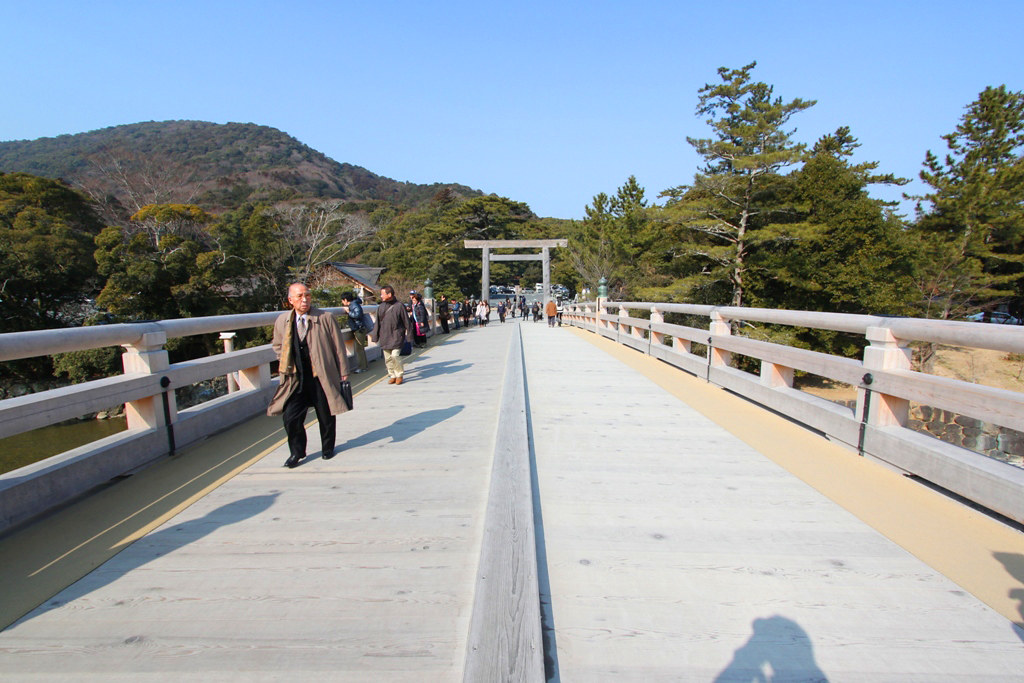
It would take 20 minutes to get to the Inner Shrine from either Iseshi Station or Uji Yamada Station. The wooden bridge built over the Isuzu River is the entrance of the shrine.
The Ujihashi Torii is the border that separates the holy place from the secular world.
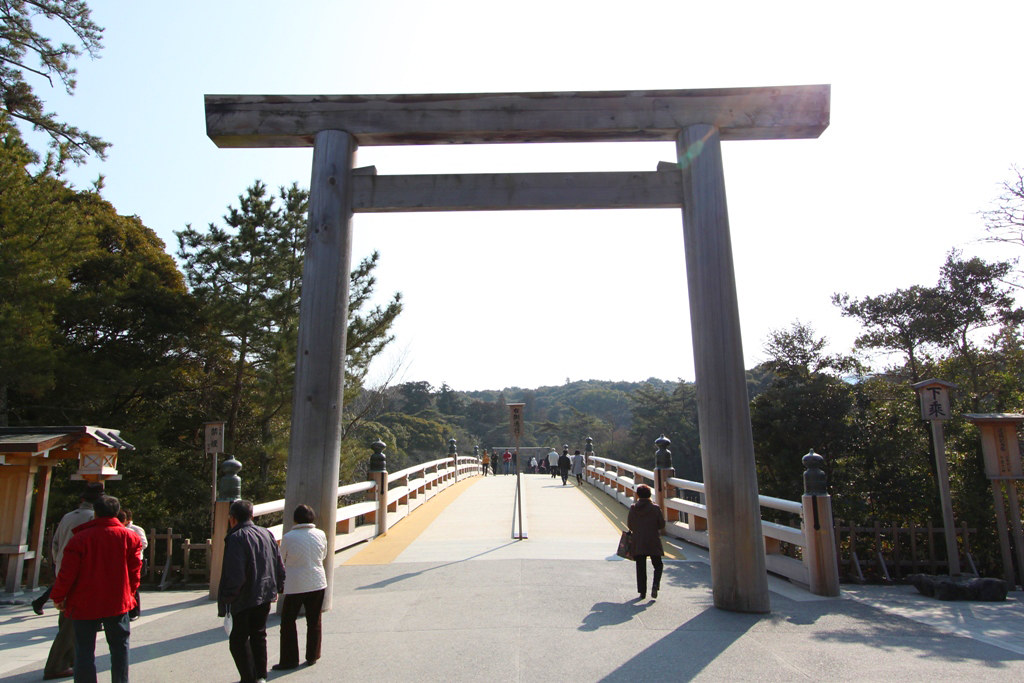
Crossing the beautiful bridge made of Japanese cypress.
Walking on the approach of pebbles, you will find some amazing pine trees on the right side.

© 2010 JAPANTWO Blog. Design by Blogging Tips and Pearsonified