5月 28th, 2011
Reading time: About 2 minutes
An exhibition held at GALERIES Passage in Sannomiya, Kobe from July 8th to 15th by an university student designer, Mariko due to this Japanese earthquake at Tohoku area.

read more →
5月 28th, 2011
Reading time: About 1 minute
5月 26th, 2011
Reading time: About 7 minutes
Nara prefecture is known for the land of the origin of Japan’s tea.
About an hour drive from the center of Nara city where the Toudaiji and Koufukuji are built, is Tsugigase area famous for its prune also famous for its growing area of Japan tea.
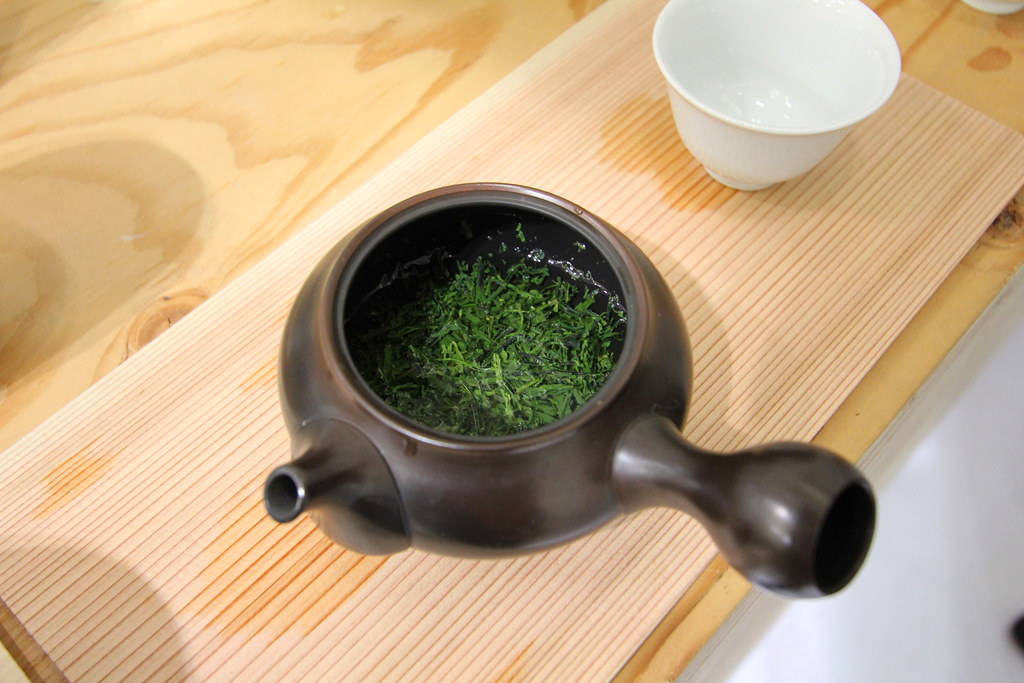
The tea garden that was awarded for being first ranked in the 2010 all Japan tea exhibitions (green tea division), is in Tsukigase. It is the Inokura tea garden.
The tea that ranked first is called Hakabuse tea, it is called the Kabuse tea due to having to cover it from sunlight 10 days before harvest.
read more →
5月 25th, 2011
Reading time: About 1 minute
5月 24th, 2011
Reading time: About 1 minute
5月 24th, 2011
Reading time: About 1 minute
5月 23rd, 2011
Reading time: About 2 minutes
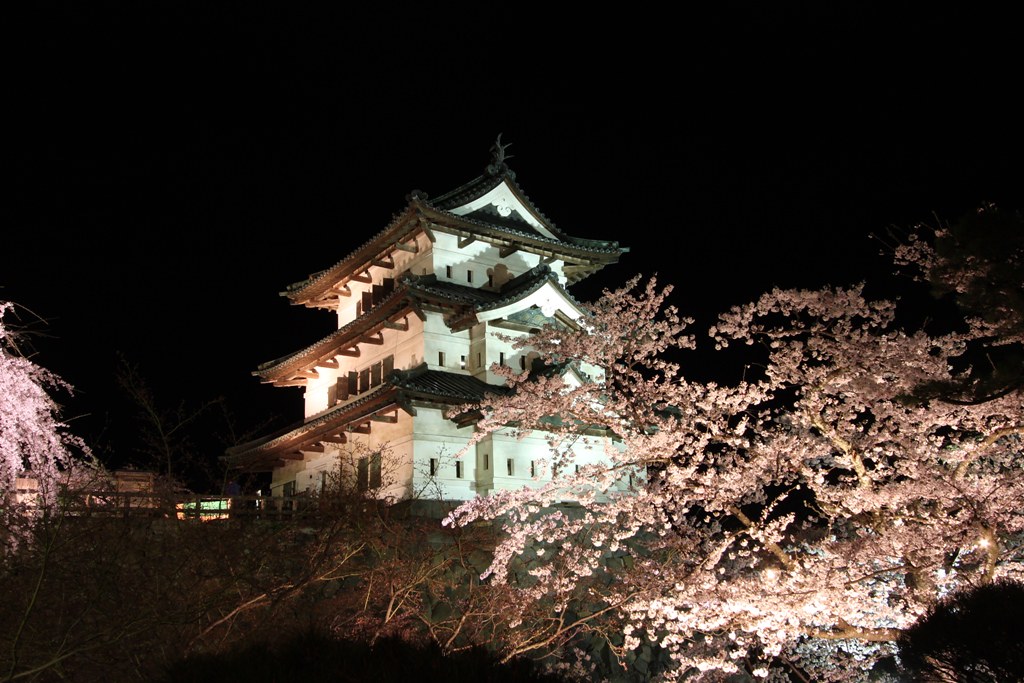
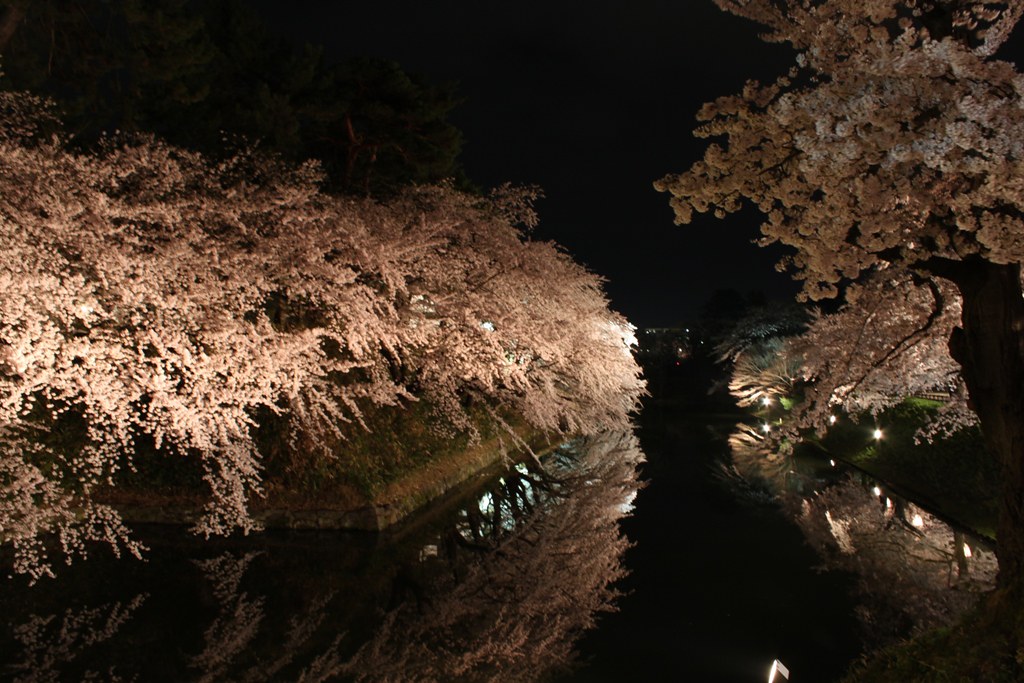
One of Tohoku’s two big Sakuras, Hirosaki Park’s Sakura. Its unique characteristics are that by using the apple’s prune techniques, from one bud twice as much flowers blossom. Hirosaki’s sakura front is usually at the end of April. This year, because it was still cold in April, the front came during the time of golden week.
Hirosaki park’s sakuras, in the spring and summer, the thorough removing of the dried stems and diseases, providing fertilizer personally, the sap has revived, and with the influence of that the weight of the leaves stretches down the branches of the trees.
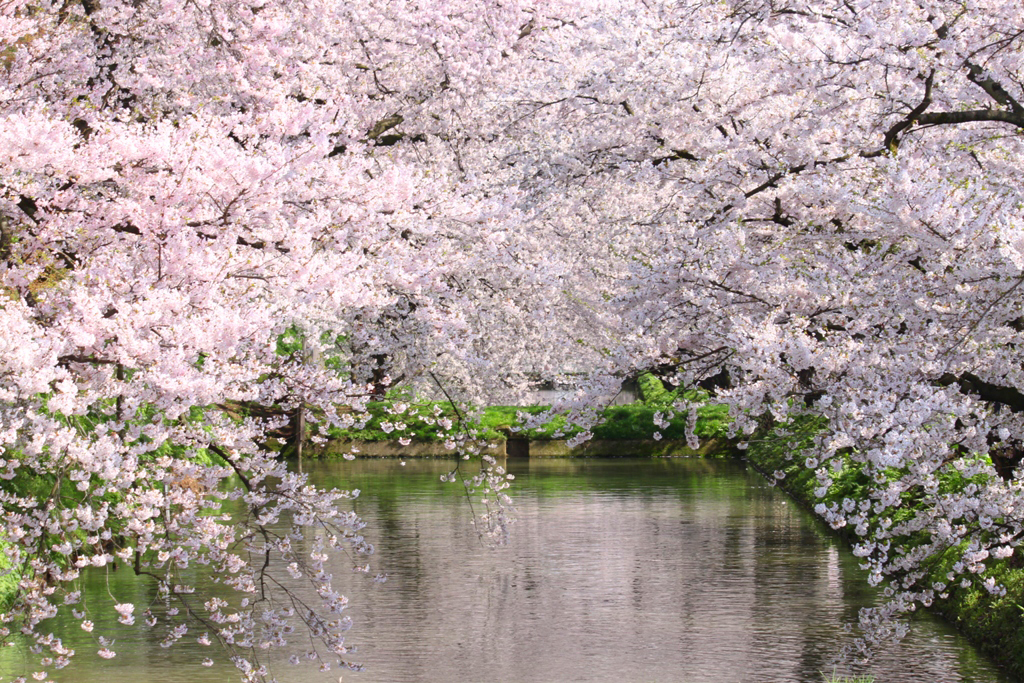
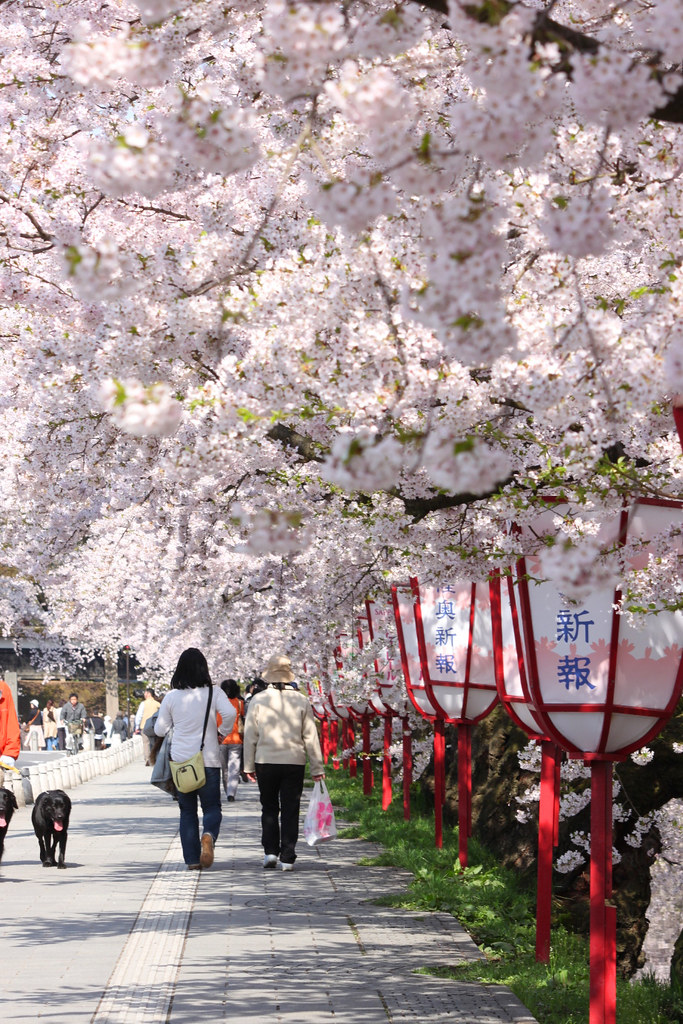
When fall comes and the weather gets colder the trees harden, there are no worries of the branches being crushed down due to the weight of the snow. Currently the branches stretch down to the water of the canal; the reflection of the sakura in the surface of the water is particular.
read more →
5月 22nd, 2011
Reading time: About 1 minute
5月 21st, 2011
Reading time: About 3 minutes
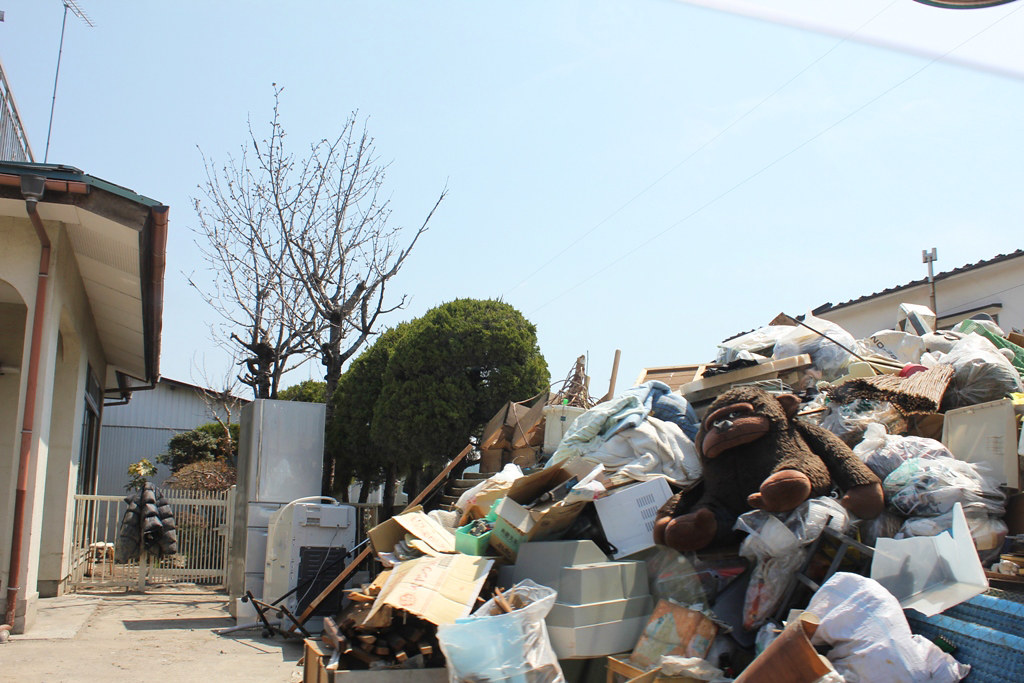
On the second day, we headed to tsunami-struck Sanriku and Ishinomaki. From watching on Television it seemed safe to assume that it was a bad situation in Ishinomaki but it was worse than we could ever have imagined. However, now that some amount of time has passed since the earthquake, we came to the town to report on how the recovery effort is going.
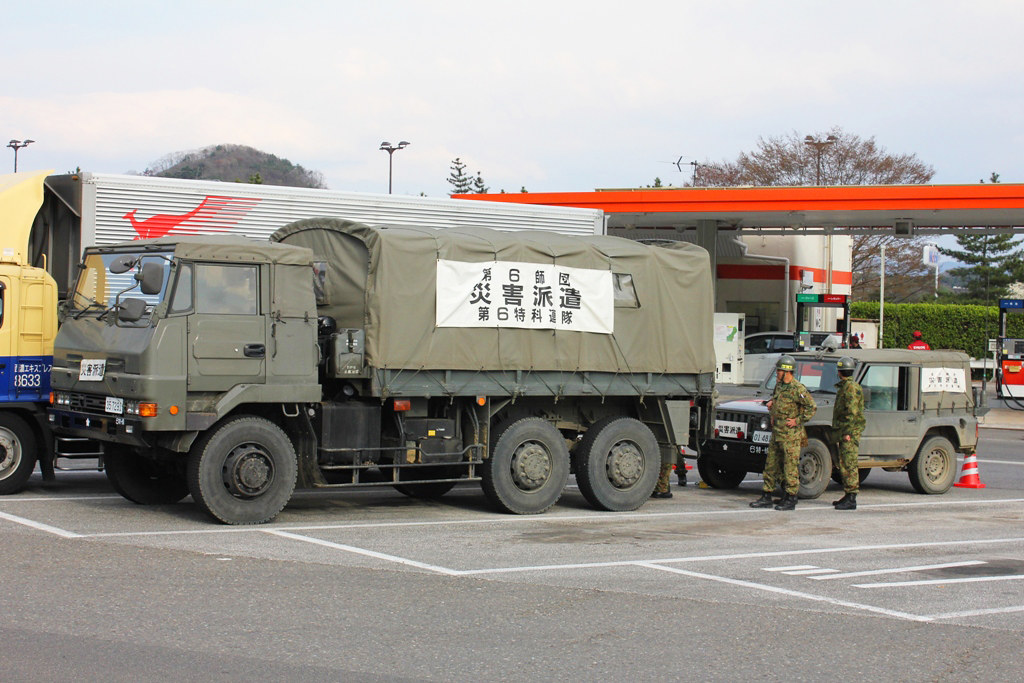
Along the way we drove past many SDF vehicles.
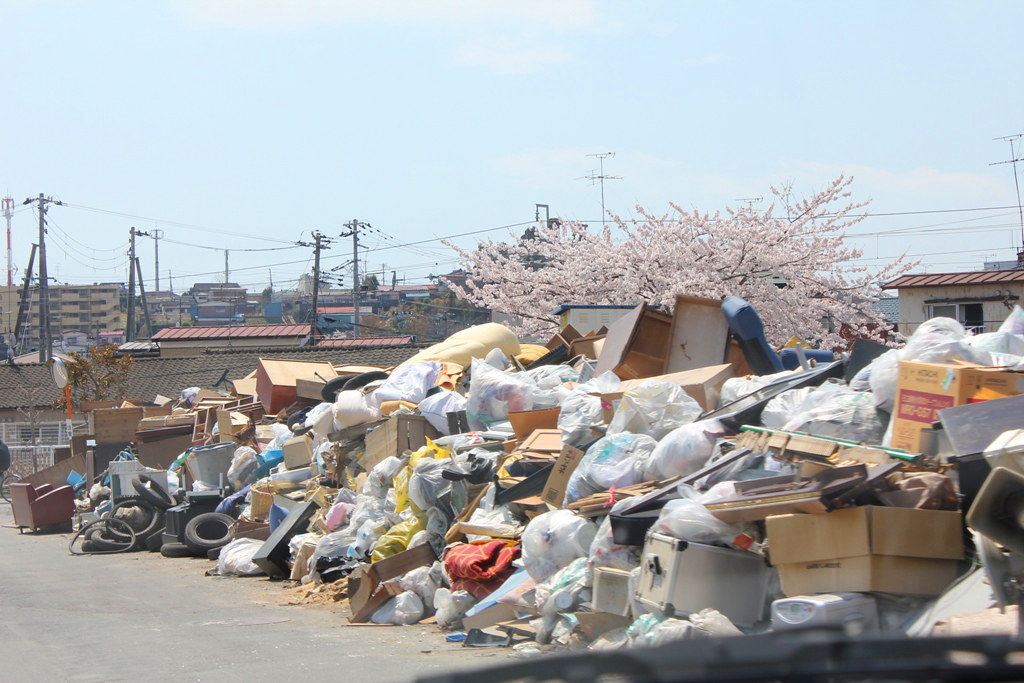
The situation inside Ishinomaki cityFar from the sea it wasn’t any different to normal, but the closer we came to the coast, the amount of garbage lining the roads was increasing.
read more →
5月 20th, 2011
Reading time: About 3 minutes
It is now one and a half months since the Great East Japan Earthquake. We spent 2 days visiting the nuclear-disaster-struck Fukushima and the tsunami-struck Miyagi prefectures. We had two things to capture in mind: Miharu’s Takizakura near the nuclear reactors and the current situation in the disaster area.
Miharu’s Takizakura is a Cherry Blossom tree that is roughly in the middle of Fukushima in a town called Miharu. A tree that can be counted as one of Japan’s great Cherry Blossom trees, it is said that Takizakura is over 1000 years old. Incidentally, the name of the town Miharu means “Three Springs”. In the spring plums, peaches, and cherry blossoms bloom competitively, and the three of their comings give the name “Three Springs”.
We are now around 30 miles from Fukushima’s nuclear power plant.
The other area we wanted to capture was the place that was badly hit by the tsunami, Miyagi’s Sanriku and Ishinomaki. On television there were reports of both areas having been damaged by the disasters, however, we felt like we wanted to feel it for ourselves, so we decided to make this 2-day report.
First of all, Miharu’s Takizakura
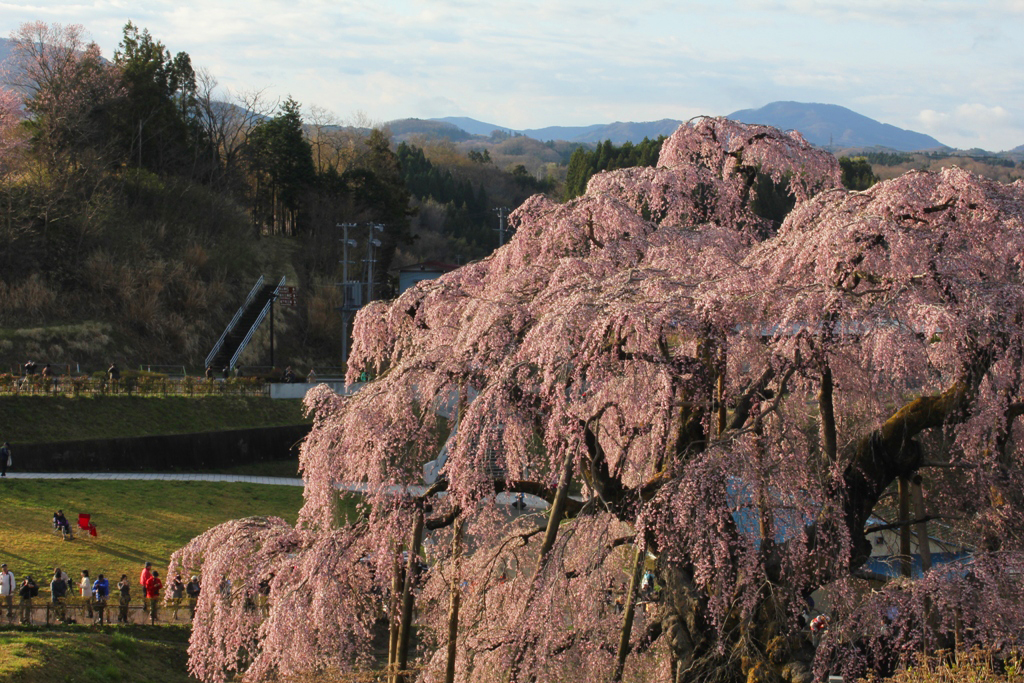
Hearing that the best time to capture the beauty of the Cherry Tree is in the morning, we stopped our car in Fukushima and took a rest over-night to arrive at Takizakura at 5am. It’s still dark around.
read more →